

Most brands scatter their messages across channels, leaving customers confused and trust broken. You know consistency matters, but pulling it off feels like juggling flaming torches blindfolded. This post breaks down how to create a unified brand experience that boosts trust everywhere your audience shows up—and why Panache Consulting is your go-to partner for smart, budget-friendly solutions. Ready to stop losing attention and start building loyalty? Let’s get started.
Building Brand Trust Across Channels
Creating a cohesive brand presence is crucial for fostering trust. To achieve this, you need to understand the importance of consistent messaging across all platforms.
The Power of Brand Consistency
Consistency is key to building trust. When your brand’s message is uniform across all channels, it reinforces your identity and values. This uniformity allows your audience to quickly recognize and trust your brand, no matter where they encounter it.
Consistency means using the same logos, colors, and tone of voice. It extends to how your brand interacts with customers on social media, through email, or on your website. When your brand is consistent, it becomes familiar, and familiarity breeds trust.
Crafting a Unified Brand Experience
A unified brand experience ensures that every interaction feels seamless. This involves integrating your brand’s values and promises into every touchpoint. To do this effectively, you must first understand your audience’s needs and preferences.
Start by aligning your brand’s core values with those of your target audience. Create content that speaks directly to them, addressing their pain points and offering solutions. By doing so, you not only meet their needs but also build loyalty.
Omnichannel Branding Strategies
Omnichannel branding means being present across multiple platforms with a consistent message. This strategy ensures your customers have a seamless experience, whether they’re engaging with your brand online or offline.
To implement an omnichannel strategy, you need to map out all potential customer touchpoints. Ensure that the messaging and experience are consistent at each point. This approach not only strengthens brand recognition but also enhances customer satisfaction.
Enhancing Customer Engagement
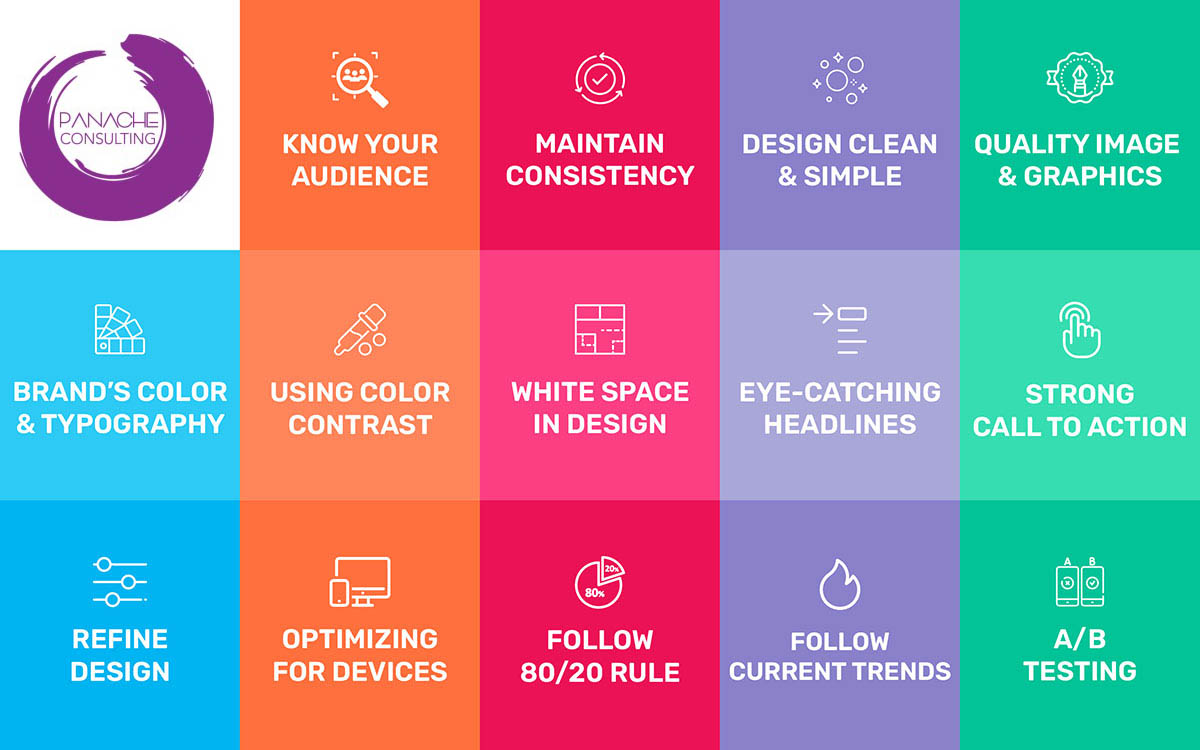
Engaging customers is not just about being present; it’s about being relevant and valuable. Mapping the customer journey and crafting effective cross-channel marketing strategies are essential.
Mapping the Customer Journey
Understanding the customer journey is crucial for effective engagement. This process involves identifying each step your customers take from awareness to purchase and beyond.
By mapping the journey, you can identify opportunities to enhance the experience. Address any pain points or frustrations they might encounter. This proactive approach shows that you value their experience, building trust and loyalty.
Effective Cross-Channel Marketing
Cross-channel marketing involves using multiple platforms to reach your audience. It’s not about repeating the same message; it’s about adapting it to fit each channel’s unique nature.
Tailor your content to suit the platform and audience. For instance, your messaging on Instagram might be more visual, while LinkedIn might focus on professional insights. This adaptability ensures that your message resonates with your audience, no matter where they are.
The Role of Messaging Architecture
Messaging architecture is the framework that guides how you communicate with your audience. It ensures that your brand’s voice and message are consistent across all platforms.
Develop a messaging guide that defines your brand’s voice, tone, and key messages. Use this guide to train your team and ensure that everyone communicates consistently. This consistency helps build a strong, recognizable brand.
Achieving Brand Alignment

Aligning your brand across all platforms ensures that your message is not only consistent but also powerful. Developing brand style guides, voice guidelines, and digital brand guidelines is essential.
Developing Brand Style Guides
A brand style guide is a comprehensive document that defines your brand’s visual and verbal identity. It includes guidelines for logos, colors, fonts, and imagery.
Create a style guide that reflects your brand’s values and personality. Share this guide with your team and partners to ensure consistency in all communications. This guide not only maintains brand integrity but also strengthens recognition.
Establishing Brand Voice Guidelines
Your brand voice is how you communicate with your audience. It’s the tone and style that reflects your brand’s personality.
Develop a set of guidelines that define your brand’s voice. Whether it’s friendly, professional, or authoritative, ensure that it aligns with your brand’s values. Consistency in voice builds familiarity and trust with your audience.
Leveraging Digital Brand Guidelines
Digital brand guidelines ensure that your brand is represented consistently across all digital platforms. This includes your website, social media, and digital advertising.
Create guidelines that detail how your brand should appear online. Include specifications for digital assets, such as web banners and social media posts. Consistent digital representation strengthens your brand’s online presence and credibility.
🌟 Ready to boost your brand’s trust and engagement? Book your free Brand Alignment Audit with Panache Consulting today! 🚀
Frequently Asked Questions
What is a unified brand experience?
A unified brand experience ensures consistent messaging and experience across all platforms. It builds trust by making your brand easily recognizable and reliable.
Why is brand consistency important?
Brand consistency reinforces your identity, making your brand familiar and trustworthy. It ensures that your audience can recognize and trust your brand across different channels.
How can I implement cross-channel marketing effectively?
Tailor your content to fit each platform’s unique nature. Ensure your messaging resonates with your audience, whether on social media, email, or other channels.
What should a brand style guide include?
A brand style guide should include guidelines for logos, colors, fonts, and imagery. It ensures visual and verbal consistency across all communications.
How do digital brand guidelines help?
Digital brand guidelines ensure your brand’s consistent representation online. They strengthen your brand’s online presence and credibility by maintaining uniformity in digital assets.


